Written by Ayah Mallah | August 25, 2026 | SHARE


Lehigh bioengineering student Hans Kuder returned to India this summer to apply his engineering skills to research aimed at reducing human-elephant conflict while deepening his experience with international collaboration.
For Hans Kuder, a trip to India that began with a weeklong spring experience quickly became something more.
Kuderl is a member of Lehigh University’s Class of 2028 studying bioengineering on the biopharmaceutical track. He returned to India this summer to conduct research at Ashoka University through Lehigh’s Iacocca International Internship Program (IIIP).
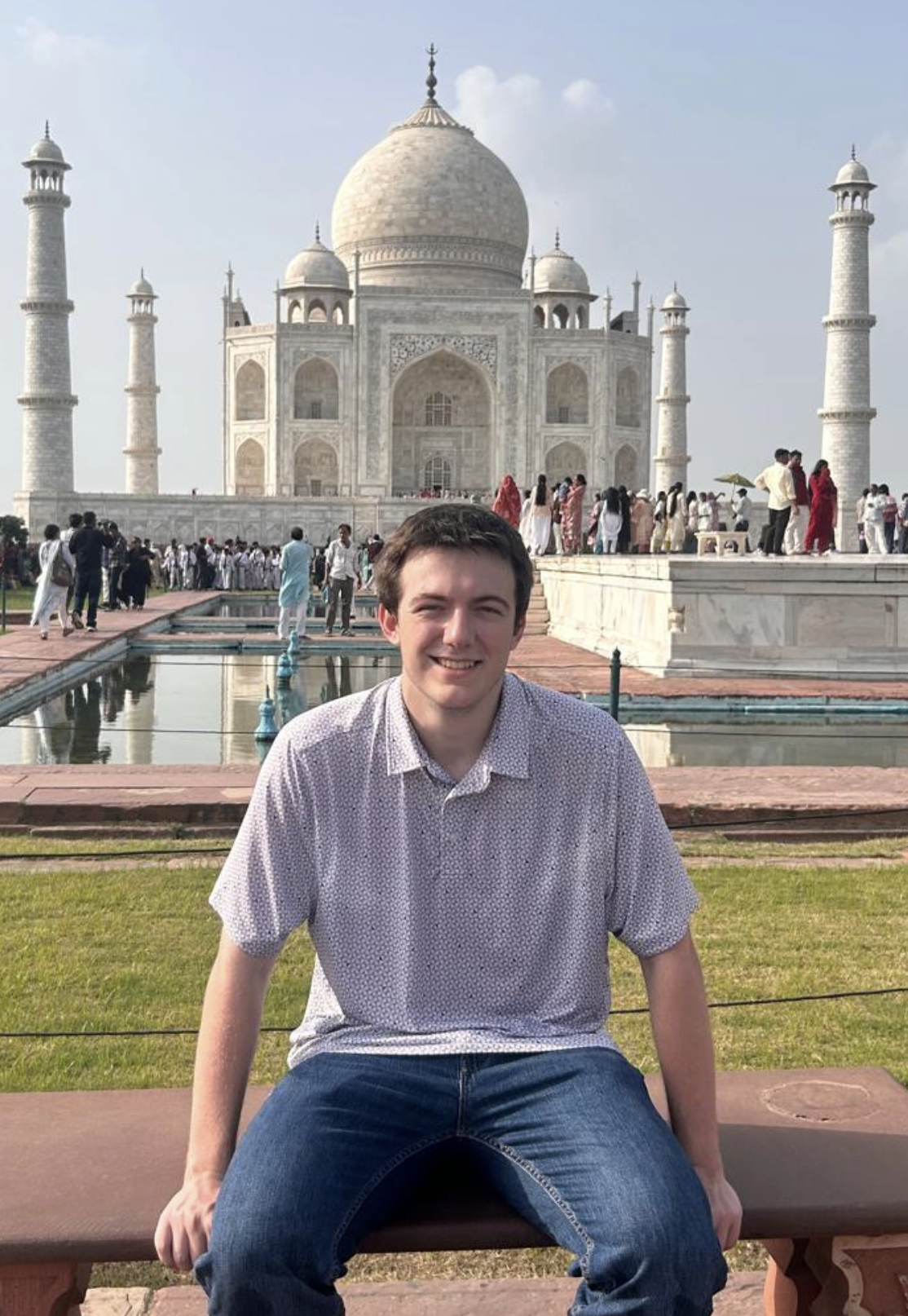
This time, he spent his summer working with an environmental science lab to develop a device that utilizes machine learning to detect elephant vocalizations. The goal is to create a low-cost warning system that can help reduce human-elephant conflict in rural communities.
“I immediately knew I had to go [to India] again,” Kuder said. “I felt one week in India wasn’t enough to truly immerse myself in the culture.”
Kuder first traveled to India during spring break through BIOE 396: Equitable Innovation, a course taught by his research professor, Dhruv Seshadri. The course focuses on developing population-specific solutions to improve health globally and includes collaboration with students in India.
Applying Engineering Abroad
During the trip, Kuder worked with students in person and learned more about India’s healthcare system. It was also his first time traveling outside the United States.
At Ashoka, Kuder’s team developed a machine learning model to identify elephant calls from the surrounding environment. Kuder is responsible for designing the hardware, including the microphone, power source, protective casing and computational components needed to operate the system.
“It has been very insightful getting to work with electronics and coding in a real-world application,” Kuder said.
The project also required Kuder to draw on ideas from his previous work at Lehigh.
Because the device is intended for use in rural areas, the team has had to consider cost and accessibility throughout the design process. Kuder said those considerations reminded him of lessons from Seshadri’s Equitable Innovation course, where students considered how technological solutions could be adapted to communities.
“I’ve found myself reflecting back on these concepts and incorporating them into the design since it will largely be deployed in rural areas that are cost-sensitive,” he said.
Research and Community
The research has given Kuder an opportunity to work alongside students and researchers with expertise different from his own.
“It often takes teams of people to reach a common goal,” he said. “My lab’s knowledge of elephants and bioacoustics, combined with the engineering knowledge I gained from Lehigh, was able to come together to make progress towards this goal.”
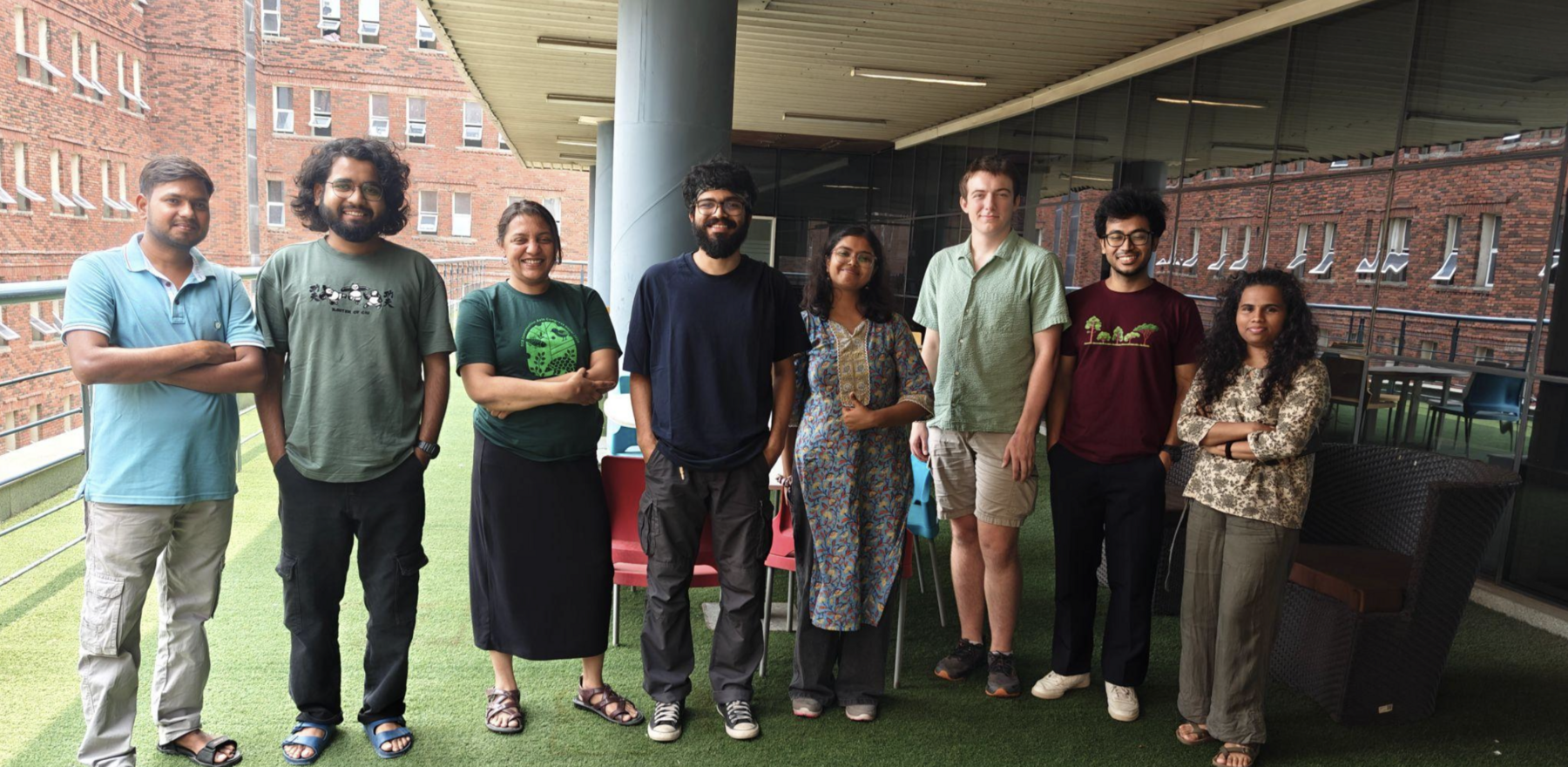
Outside the laboratory, Kuder has also become part of the Ashoka community.
Students invited him to dinner, introduced him to different foods and showed him some of their favorite places to get chai on campus. Ashoka also organized cultural programming for visiting students, including a day in Delhi where Kuder visited several landmarks.
Stacy Burger, Lehigh’s Director of Global Partnerships and Strategic Initiatives, said that these experiences are an important part of what makes the university’s partnership with Ashoka particularly meaningful.
“The partnership is strong due to the entrepreneurial mindset that Ashoka shares with Lehigh,” Burger said. “There is a shared focus on interdisciplinarity and research-focused engagement.”
Kuder said community in this environment was one of the most memorable parts of his time in India.
Building Global Connections
“While [playing pool] with the students, I realized that while we have many differences, we still have things that we can bond over through shared experiences as people,” Kuder said.
Burger said Kuder’s willingness to engage with the community was notable as his first trip abroad had taken place only months earlier.
Kuder plans to bring that experience back to Lehigh as he continues his studies in bioengineering. He said the experience has changed the way he approaches collaboration.
“Everyone has something unique they can bring to the table,” Kuder said, “and innovation comes from diverse experiences uniting towards a common goal.”
Kuder remembers feeling nervous when he was first offered the opportunity to travel to India. Looking back, he considers the experience one of the most meaningful parts of his college education.
“Through these experiences I was able to experience a different culture, make international connections, and learn how to work with people of different backgrounds,” Kuder said. “If you are given an international opportunity, get out of your comfort zone. Opportunities such as these don’t come often.”