Written by Colin McEvoy | February 12, 2026 | SHARE


New course “Equitable Innovation: Lehigh x India” blends bioengineering and global collaboration to prepare students for impact beyond the classroom.
Last summer, Kavya Famolari worked in Sierra Leone studying maternal health care in antenatal clinics through Lehigh University’s Office of Creative Inquiry. This spring, she’s continuing her global education through an entirely new course.
Famolari will turn her attention to intensive care units in India, developing a machine learning model to detect life-threatening shock in early stages. She sees it as a unique opportunity to combine global health, bioengineering and hands-on impact.
“I’ve always been impressed by how many international opportunities there are at Lehigh, especially research-based,” said Famolari, a bioengineering and molecular biology IDEAS student with a minor in health policy. “Not just studying abroad, but having the ability to engage in boots-on-the-ground types of research.”
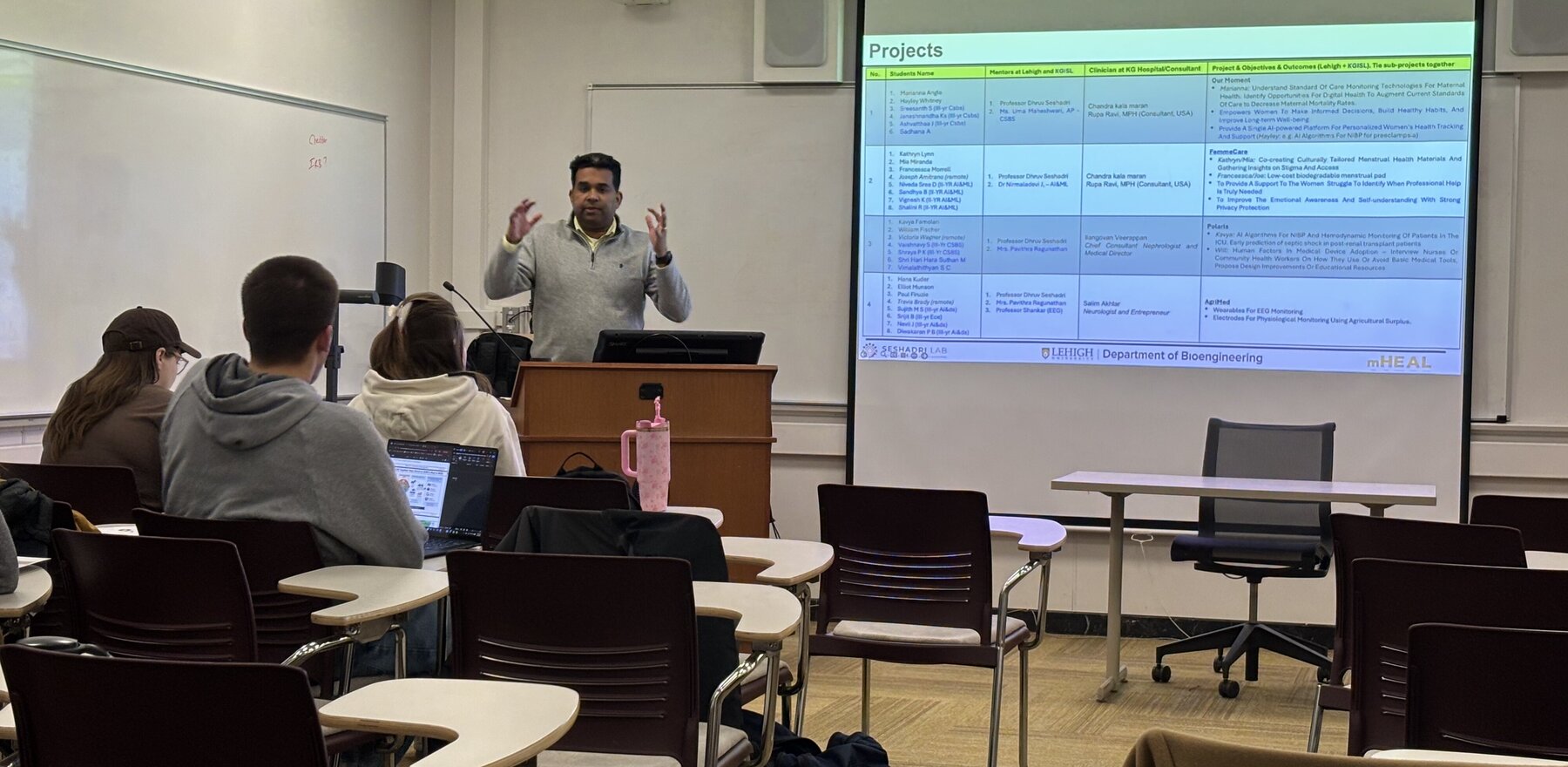
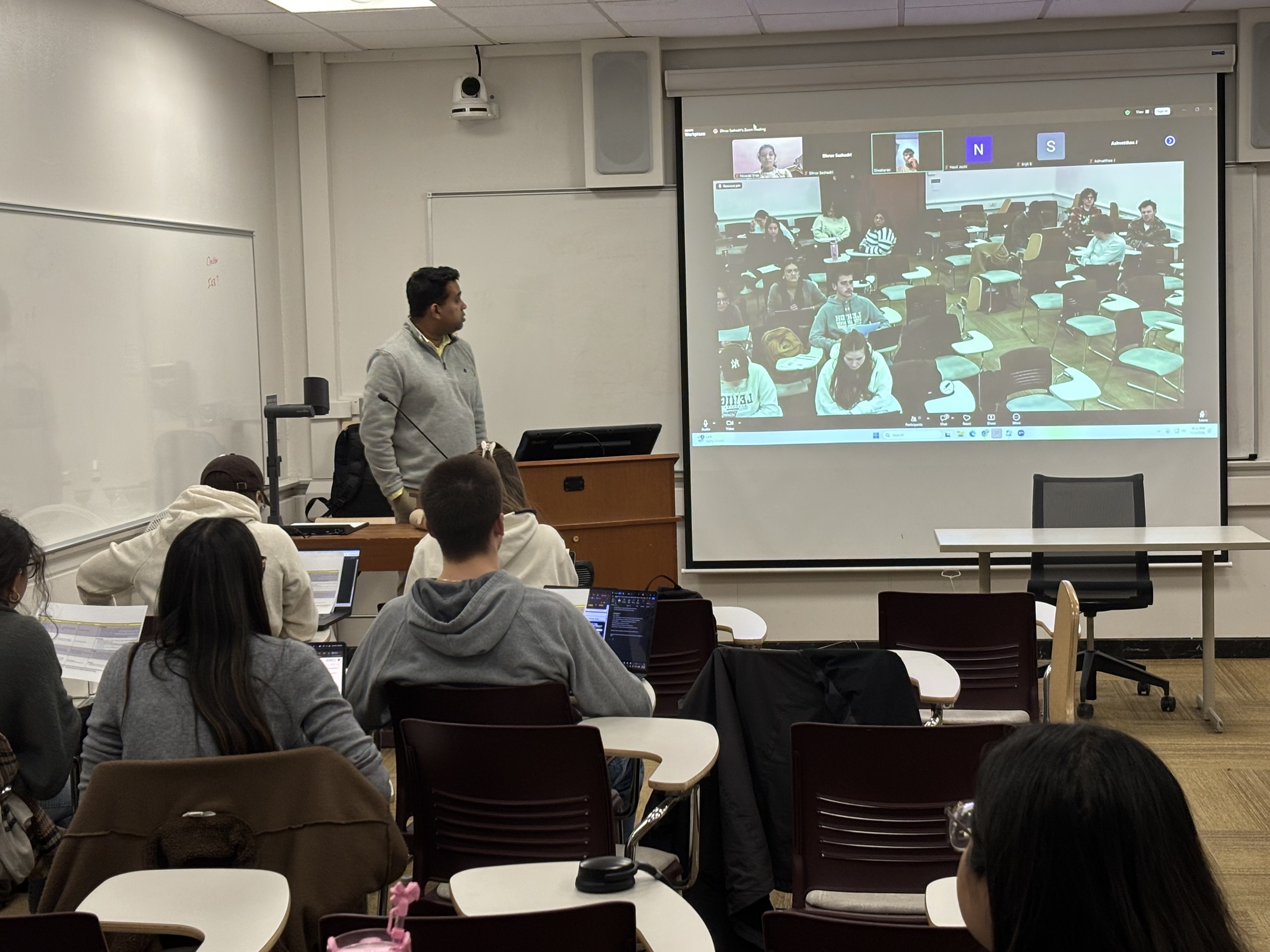
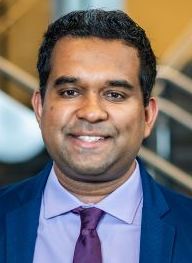
Famolari and her classmates will travel to India through “Equitable Innovation: Lehigh x India,” a new course led by Dhruv Seshadri, assistant professor of bioengineering. It continues Seshadri’s work to build long-term academic and research partnerships with institutions in South India while rethinking how engineering students engage globally.
“My interest has always been at the intersection of global health and technology or engineering,” Seshadri said. “I want the students to think beyond Lehigh and how their innovations affect those globally, whether in India or any lower-middle income country in the world today.”
The course was established with support from a Faculty Internationalization Grant from Lehigh’s Office of International Affairs (OIA). It also helped formalize a memorandum of understanding with the Tamil Nadu-based KGiSL Institute of Technology, one of Lehigh’s global institutional partners.
Through the course, Lehigh students will collaborate virtually and in person with peers from KGiSL and engage with hospitals, universities and innovation ecosystems in Indian cities, including Bangalore.
A key feature is an embedded spring break travel component, allowing students to apply semester-long coursework during a one-week experience in India rather than committing to a full semester or summer abroad.
“The study abroad component is embedded within the course,” Seshadri said.
Student projects focus on real-world, scalable challenges such as artificial intelligence for breast cancer screening, ultra-low-cost biomedical electrodes made from agricultural surplus, biodegradable menstrual pads and technologies to reduce maternal and neonatal morbidity.
Hayley Whitney, a second-year bioengineering PhD student, said her team is investigating current standards of maternal health monitoring in India and identifying ways to augment care to reduce maternal morbidity and mortality.
“This will be my first time traveling abroad, and global collaboration is a key part of this course,” she said. “You don’t really recognize the details you’re looking at when you’re in the space you’re comfortable with and grew up in. So being able to put your engineer hat on and say, ‘How do I consider every single factor in any setting?’, I think that’s super valuable.”
Another project focuses on developing a low-cost antimicrobial menstrual pad alternative to reduce financial burden in rural and lower-income communities in India, building on prior work in menstrual health education and addressing cultural stigmas.
“The ultimate goal, especially within these health care fields, is to affect as many people as possible,” said Joe Amitrano, a third-year bioengineering PhD student. “I truly believe health care is for everybody. That’s why I ultimately ended up taking this course: because I knew Dhruv Seshadri was a great professor and he had a great vision.”
The course is designed to address common study-abroad challenges in engineering, including disrupted course sequencing and limited research continuity, Seshadri said. Sustainability is central to the program, with a focus on ongoing collaboration and long-term institutional momentum rather than one-off international visits.
Seshadri also received a Faculty Internationalization Grant in 2023 for a separate project focused on pediatric wearable technology in collaboration with the Indian Institute of Technology Palakkad, including hospital-based research and nurse focus groups.
The team working with the group at IIT Palakkad is designing a wireless NICU that recapitulates ICU-grade vitals in a non-invasive and unobtrusive manner in pediatric populations. A manuscript is currently in review bringing together collective international expertise, Seshadri said.