Written by Claire Eckroat, LU/UN Partnership Intern | February 25, 2026 | SHARE


Students Engage with Danish UN Security Council Representatives
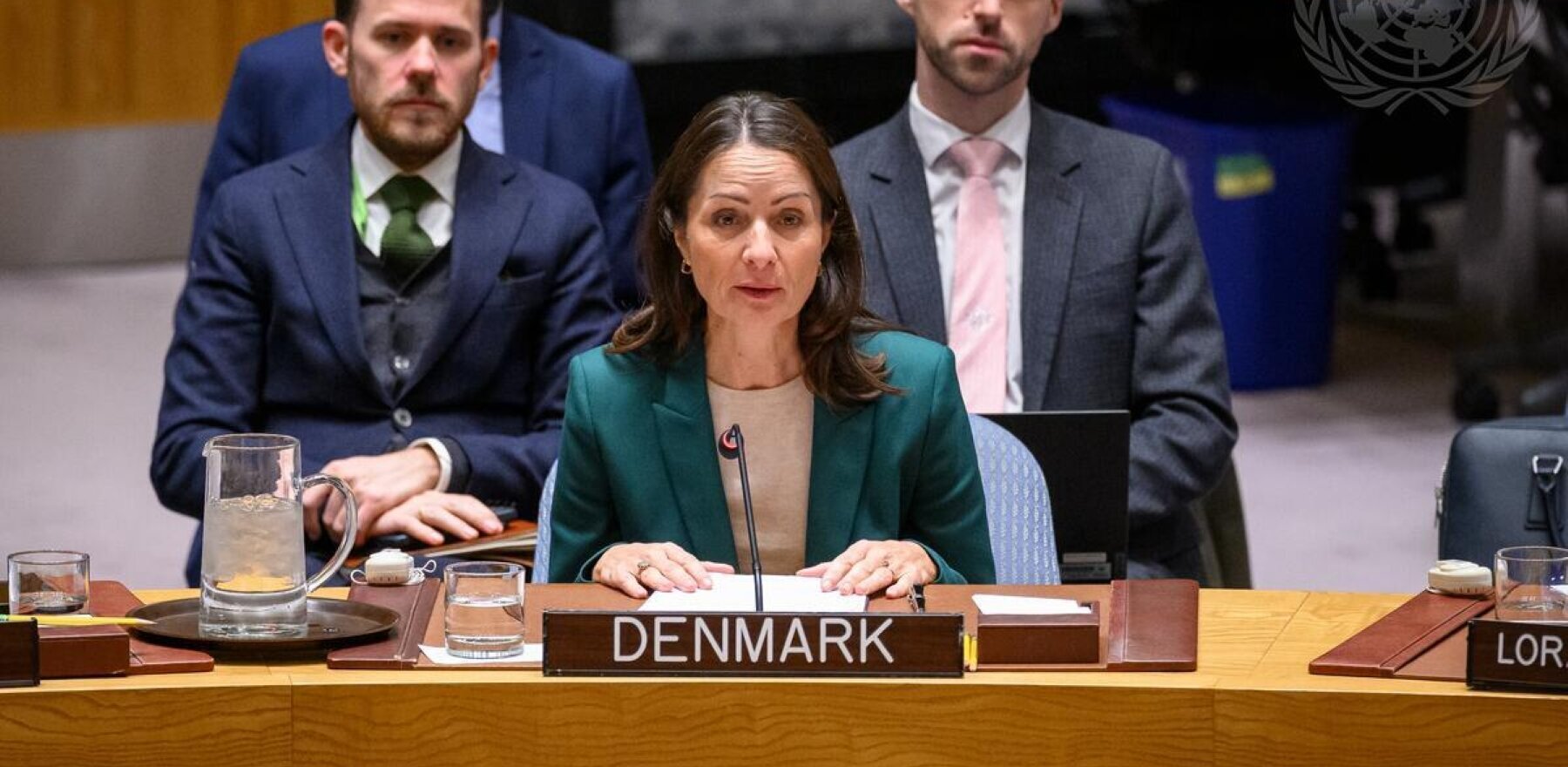
On February 20, nearly 40 students and faculty engaged with members of the Danish delegation to the United Nations. At this private event, attendees had the opportunity to hear a candid explanation of Denmark’s role on the Security Council, the delegation's top priorities, and the biggest challenges facing the UN today, from Minister Counsellor Emil Poulsen and Minister Counsellor Rasmus Kiefer-Kristensen. The presentation was followed by a candid Q&A session in which students asked about a wide range of topics, including the current UN budgetary issue, Denmark’s role within the European Union, and the Security Council.
The Danish Mission is currently one of the ten non-permanent members of the United Nations Security Council (UNSC) and will serve in this role until the end of 2026. The Minister Counsellors discussed the overall goals of the UNSC, as well as the individual objectives of the Mission. Issues such as climate, gender equality, and human rights are at the top of their agenda.
Minister Counsellor Poulsen identified Gaza, Ukraine, and Sudan as major global crises the Security Council is tasked with facing. Progress in the Council on these crises has been difficult, particularly as the five Permanent Members are exercising their veto power more often.
Minister Counsellors Poulsen and Kiefer-Kristensen both hinted at the difficulty of continuing the work of the Danish Mission when the basic foundations of the UN are being threatened. According to them, they are spending large amounts of time and 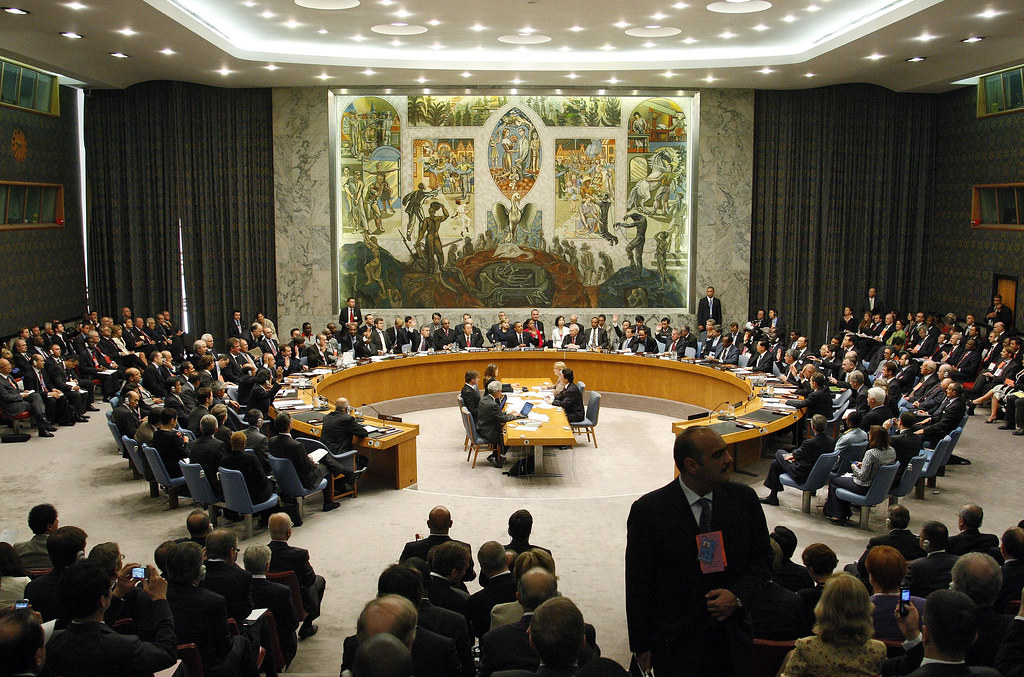 resources protecting what they see as previously widely accepted ideas from states that they have traditionally seen as allies. While they acknowledged the need for bureaucratic reform, they said that stopping the UN altogether would be the ultimate failure. These broad tensions informed the Q&A portion of the meeting, where students inquired about Denmark’s relationship with the United States, its ability to balance state priorities with diplomatic concerns, and its strategy in the Arctic. The Minister Counsellors spoke candidly about nations challenging their sovereignty and how they handle it.
Lehigh student Manshuv Kafle ‘27 asked why Denmark had not used its seat in the Security Council to pass a resolution that safeguards Greenland. Minister Counsellor Poulsen responded by describing the challenges this would bring to accomplishing Danish goals. Any resolution relating to Arctic defense will be immediately vetoed by the Permanent Members of the UNSC.
When asked if the European Union will fill the funding gap of the United States, as many wait to see if the US will pay its dues, Minister Counsellors Poulsen and Kiefer-Kristensen stressed the inability of the EU to take over, despite its already large contributions.
The Minister Counsellors concluded their meeting by restating the overall importance of the UN. In a time when multilateralism is threatened, their closing message was clear: the UN may be imperfect, but there is no better alternative to collective diplomacy.
The trip was sponsored by the LU/UN Partnership.