Written by Colin McEvoy | January 21, 2026 | SHARE


Drawing on lived experience in Chile, Lehigh Launch Chile students examined inequality, health, education, and creativity in a series of final presentations.
On the same city streets in Chile, Piper Bozick ‘29 noticed lush green parks and dry, empty lots separated by only a few blocks, a visual divide that stayed with her long after returning to Lehigh University.
During her time with the Lehigh Launch Chile program, Bozick often reflected on such topics as economic inequality, water access, gender norms, and power. An international relations major, she decided to use art to explore how these forces shape everyday life.
“During our class, we talked a lot about how art is such an influence over how we perceive society, and how that can really have an impact in just our day-to-day life,” said Bozick, who wrote a series of poems inspired by her experiences in Chile. “So I wanted to take what we learned academically and mix it with the art aspect.”
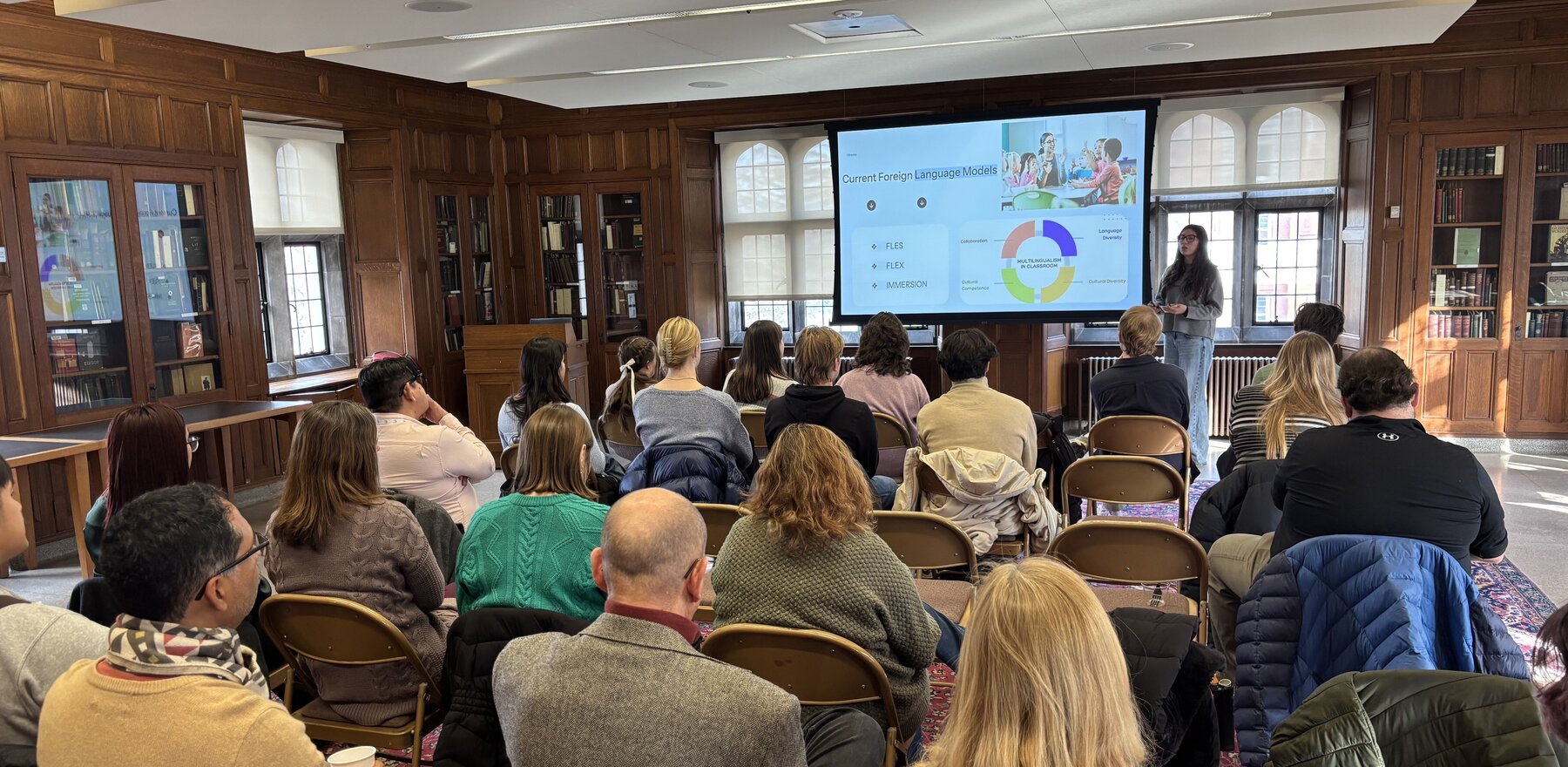
Her project was one of about a dozen final presentations on Jan. 16 by students from the 2025 cohort of Lehigh Launch Chile, an experiential, integrative learning experience for first-year students that offers hands-on learning and challenging coursework in the Chilean capital of Santiago and beyond.
Hugo Cerón-Anaya, faculty director for Lehigh Launch Chile, said the final presentations stem from the program’s course “Utopias in the Current World,” which examines contemporary efforts to build more harmonious societies by drawing on historical visions of utopia.
“If you look at utopias in popular culture, visions about what the future will look like are largely negative,” Cerón-Anaya said. “The class was trying to imagine something very different. What could a very different—but not miserable—future look like?”
Elijah Ferrera ‘29, a biochemistry major, advocated for a future in which health is a fundamental human right, arguing that capitalism undermines access to it by prioritizing profit over public well-being.
Drawing directly on his experiences in the Lehigh Launch program, he cited Chile’s health care model as inspiration for proposed solutions, citing its income-based structure in which patients pay only a small percentage of costs while the government covers the remainder.
“I think that we could do something like Chile,” Ferrera said. “While I was there, I learned you could be in the highest pay bracket and go to a public health care system and only have to pay 20% of the actual cost. If you’re in the lowest bracket, you’ll pay closer to 5%.”
This marked the second year Lehigh Launch has been offered in Chile, following two years in Ecuador.
Last year’s program included site visits to two different observatories, a national park visit to observe migrating fin whales, and the observance of a shooting star shower. Lehigh Launch Chile also offers remarkable research opportunities for Lehigh faculty members.
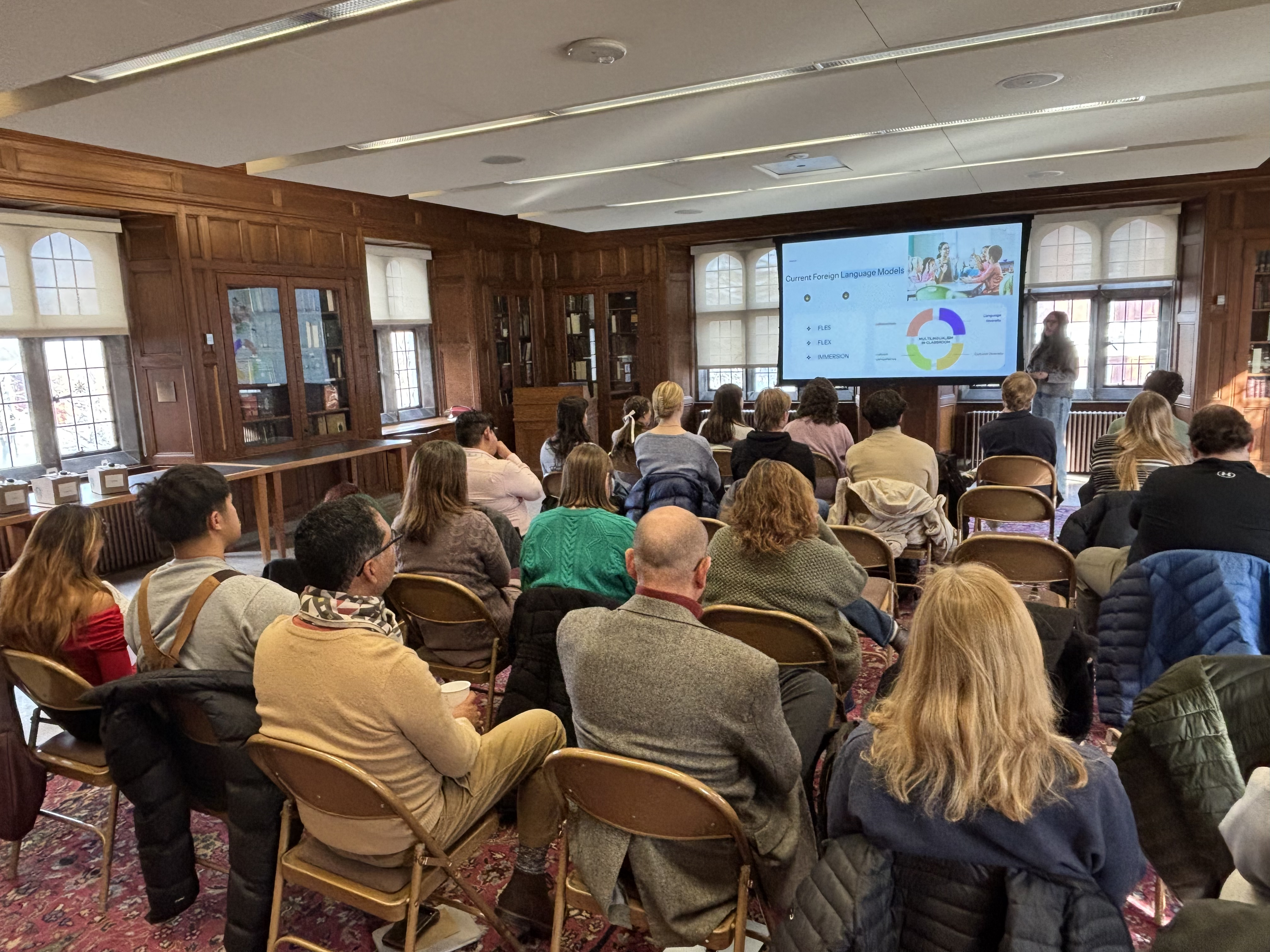
In her presentation, Sophia Boothe ‘29 made the case for expanding multilingual education in U.S. elementary schools, emphasizing early childhood as a critical window for language acquisition and outlining models ranging from exploratory programs to full immersion.
Drawing on publicly funded systems in Luxembourg and Quebec, she argued that multilingual education strengthens cognitive development, cultural empathy, academic performance, and long-term global competence while fostering a more connected and adaptable society.
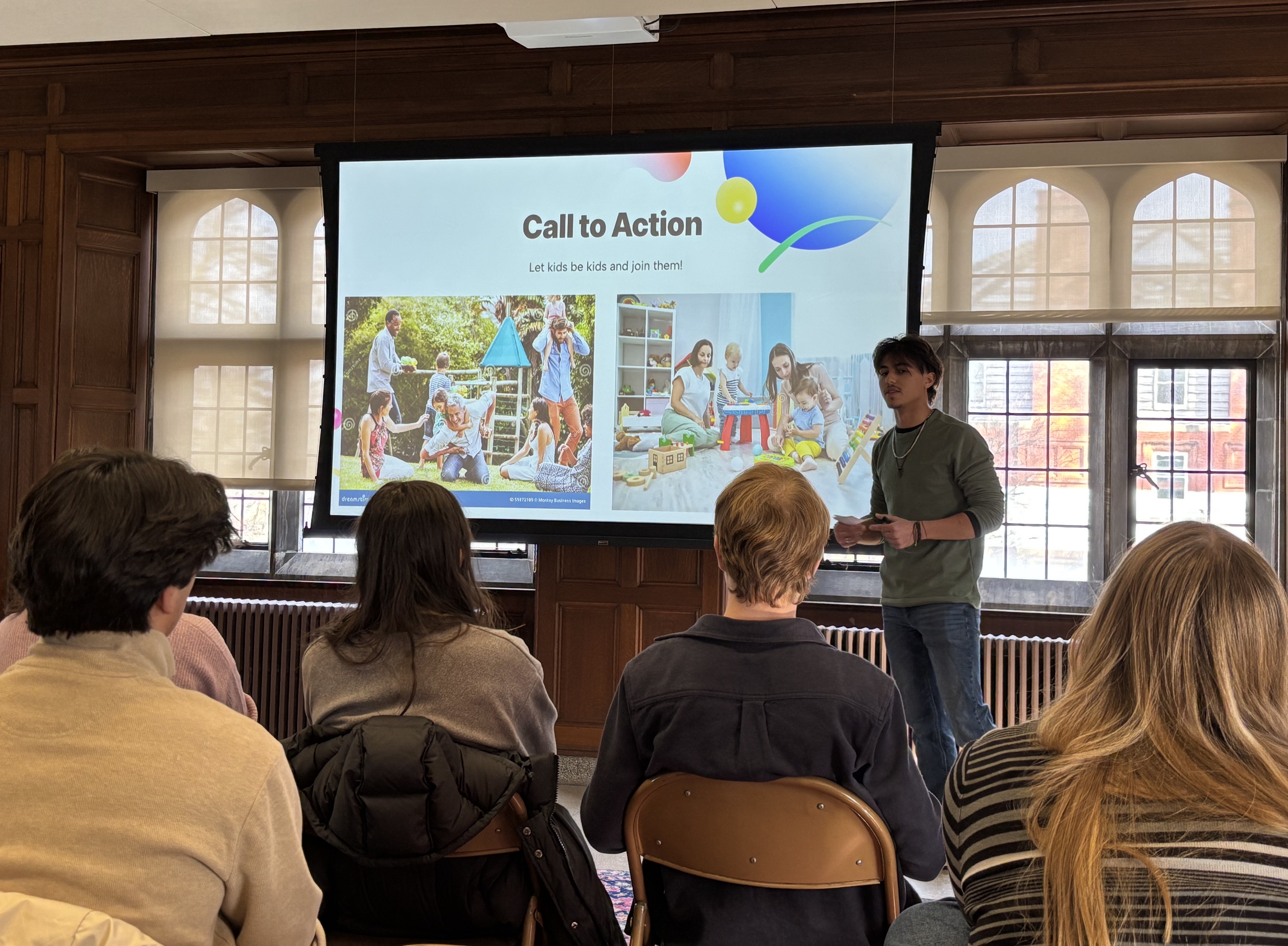
In another presentation, Mohammed Al-Omari ‘29 argued that utopia should be treated as an ongoing, imaginative process rather than a fixed endpoint. He called for reclaiming creativity, especially children’s capacity for play and radical thinking, as a democratic tool for resisting conformity and reimagining broken social systems.