Written by Ayah Mallah | March 30, 2026 | SHARE


Lehigh hosts global fellows to explore how community-centered leadership and cross-sector collaboration can shape safer, more resilient cities worldwide.
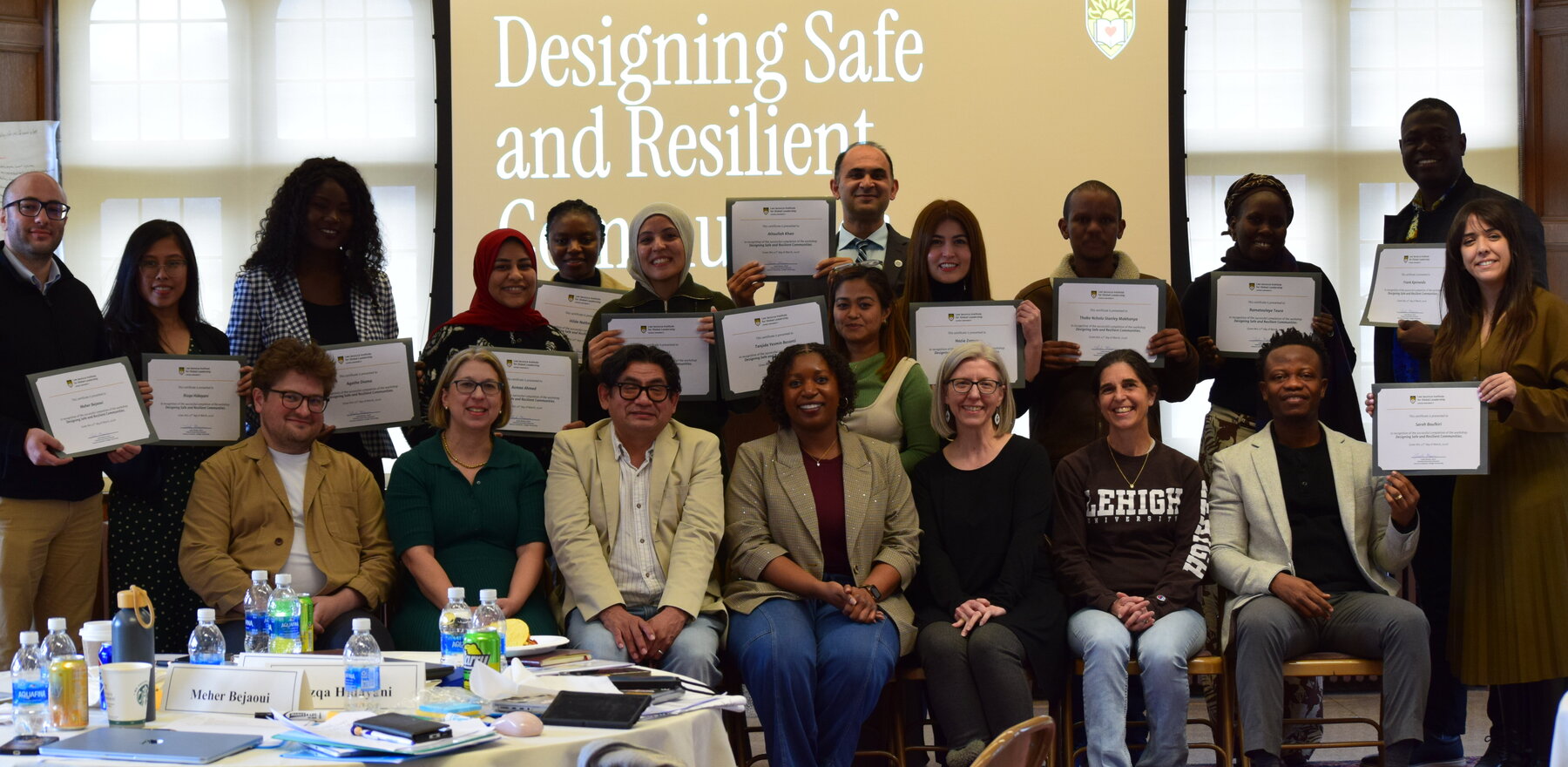
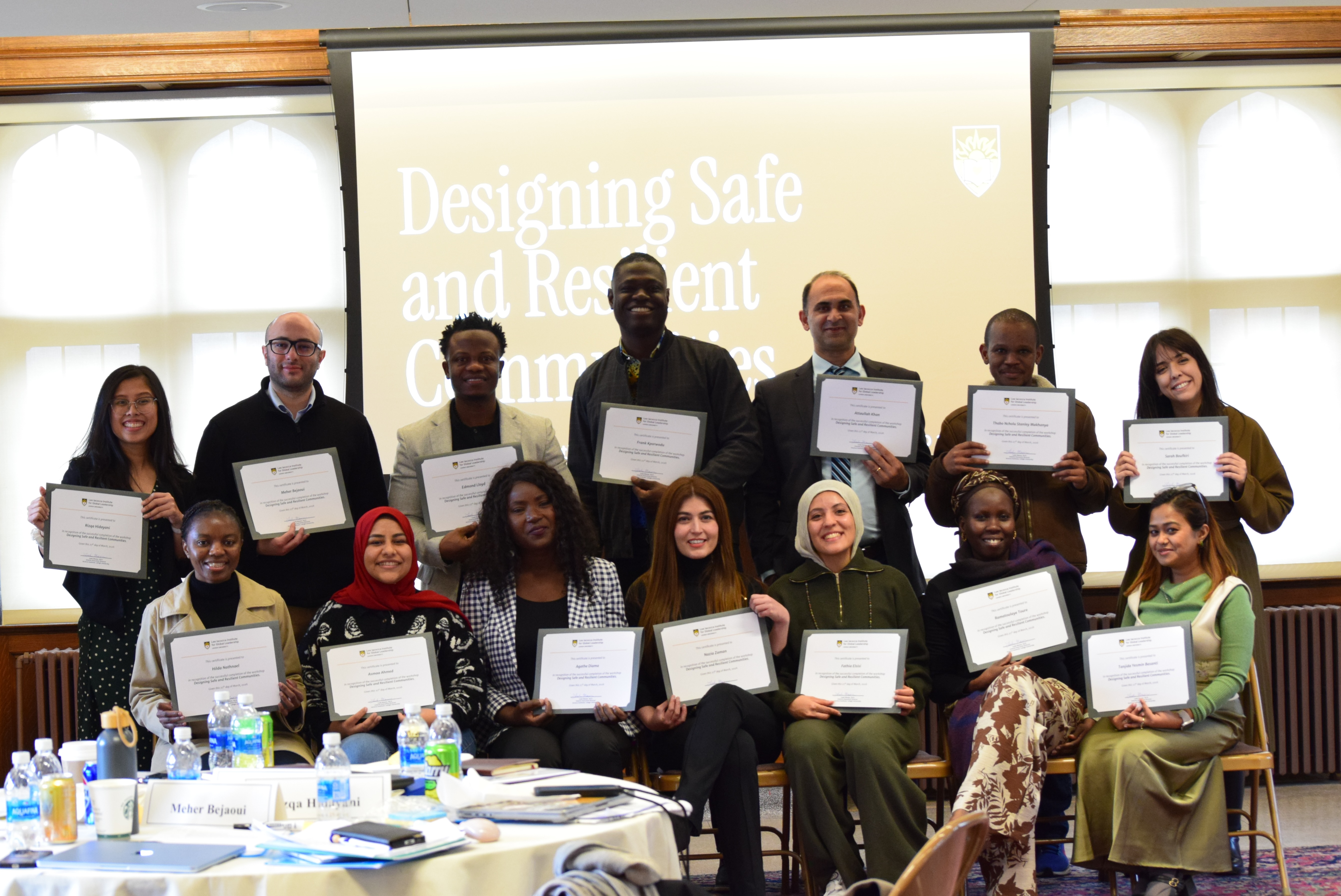
Faculty and international professionals gathered on March 26 for a reception at Lehigh University for participants in the Hubert H. Humphrey Fellowship Program to discuss global approaches to building safe and resilient communities.
The event, held from 4:30 to 5:30 p.m. at Linderman Library, was hosted by the Lee Iacocca Institute for Global Leadership as part of a multi-day visit that includes programming at Lehigh and a field visit to Allentown.
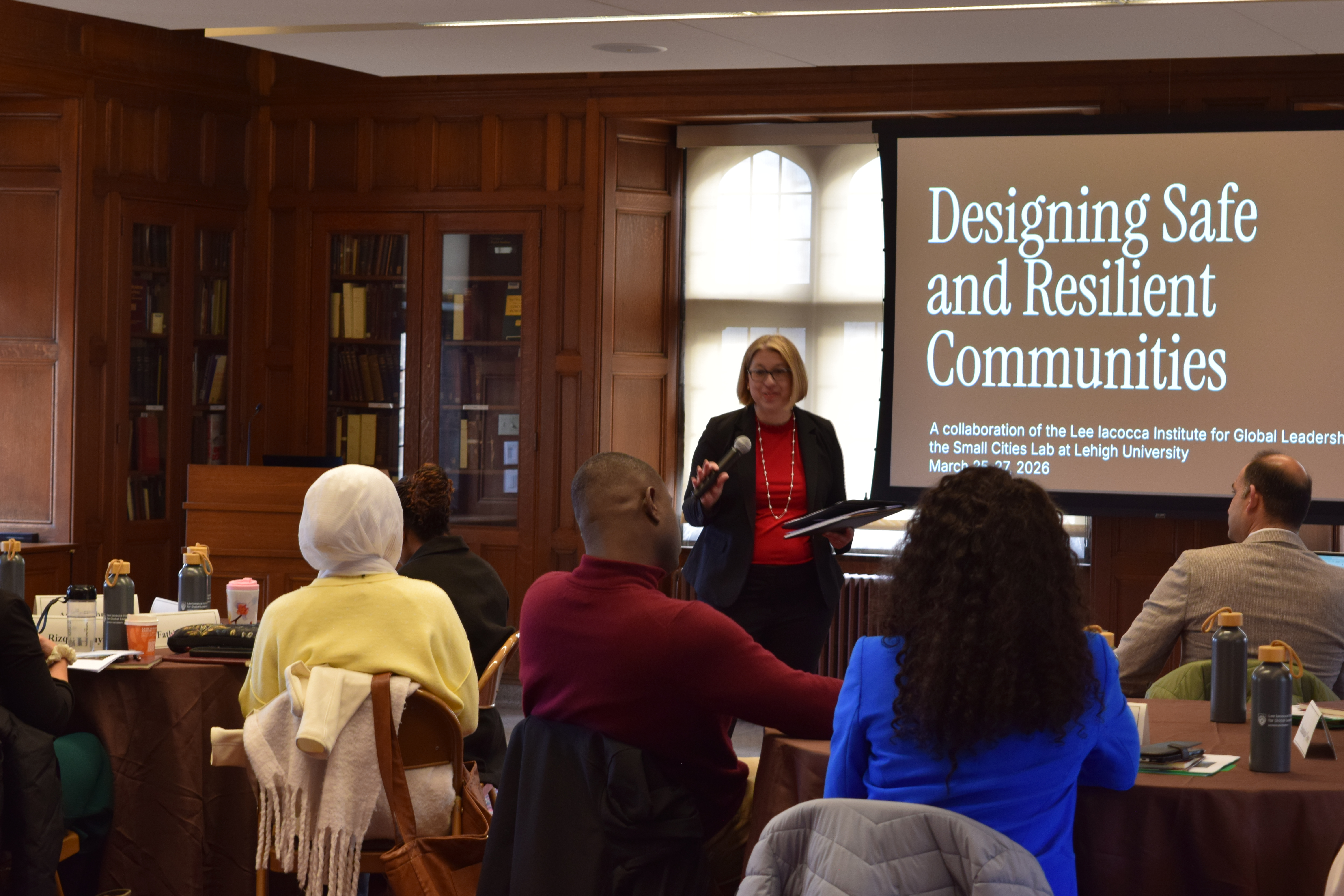
The program brings mid-career professionals from around the world to the United States for leadership development and academic exchange with fellows and members of the Lehigh community.
Leah Mason, Interim Executive Director of the Lee Iacocca Institute for Global Leadership and Director of the Iacocca International Internship Program, said the event allows the Institute to share Lehigh’s knowledge on global leadership in Bethlehem's unique location.
“This workshop seemed like the perfect bridge of global leadership and small cities lab together in designing safe and resilient communities for a group of fellows who are coming from around the world to our unique location here in Bethlehem,” Mason said.
The Humphrey Fellowship, a Fulbright-affiliated program funded by the U.S. Department of State, “enhances leadership among international professionals who collaborate to address local and global challenges and foster change for our collective good,” according to the Hubert H. Humphrey Fellowship Program website.
This year’s cohort includes fellows from countries including Morocco, Tunisia, Uzbekistan, Liberia, Indonesia, Egypt, and Bangladesh.
Many of the fellows bring experience working directly within government or large-scale public initiatives.
Sarah Boufkiri, an architect and project manager from Rabat, Morocco, works on large-scale urban development projects. She is involved in the development of the eco-city of Zenata, where she focuses on coordinating land use and collaborating with stakeholders to plan sustainable growth.
Her work connects to discussions about how cities plan for long-term development and respond to changing environmental conditions.
“My goal is to make Morocco safe,” said Boufkiri.
Her time in Bethlehem made her notice a difference between Morocco and the United States.
“In the United States, they put the community at the center, in comparison to Morocco, where the government makes the decisions for the communities. I now understand how working with the communities makes a difference in my work,” Boufkiri said.
Conversations during the reception often returned to how infrastructure decisions shape the safety and stability of communities over time.
Other fellows spoke about the role of government systems in addressing these challenges.
Many described working in regions where rapid development and environmental pressures require long-term planning and coordination across sectors.
Rizqa Hidayani, an urban planner and program manager from Indonesia, works on climate resilience for the Climate and Urban Resilience Division at the Kota Kita Foundation in Indonesia.
She works on initiatives that prioritize safe cycling transportation, public green space development, and community engagement. Her work involves supporting local governments in adapting to environmental changes while maintaining social inclusion.
“We need to understand what kind of climate we’re facing, at the city level and at the neighborhood level,” Hidayani said. “Then, we need to plan accordingly. We need to plan our cities to be adaptable because we cannot avoid climate change.”
Across conversations, fellows described challenges that, while shaped by local context, often share common themes.
Resource limitations, coordination between agencies, and maintaining public trust were frequently mentioned as ongoing concerns.
“It was really interesting to learn how small city governments, like Bethlehem, try to access different funding apart from their own city revenue,” Hidayani said. “Each place has a different context and it’s important to keep that in mind.”
In addition to campus programming, the fellows’ visit includes a planned trip to Allentown, where they will meet with local officials and community organizations. The visit is intended to connect global perspectives with local practices and provide insight into how resilience is approached.
The event created space for dialogue that allowed participants to engage more deeply with what a safe community is, how systemic issues impact our communities, and how leaders can ensure that safe community initiatives reduce inequality.
“We hope that the fellows will have an understanding of what a safe community could like, recognize the challenges, and have opportunities to think about an initiative in their home community where they could help build a safe community,” Mason said.