Written by Jacob Brown | October 13, 2026 | SHARE


Lehigh’s annual service trip to Antigua and Barbuda will bring students together for hands-on community service and environmental learning as the program enters its 16th year.
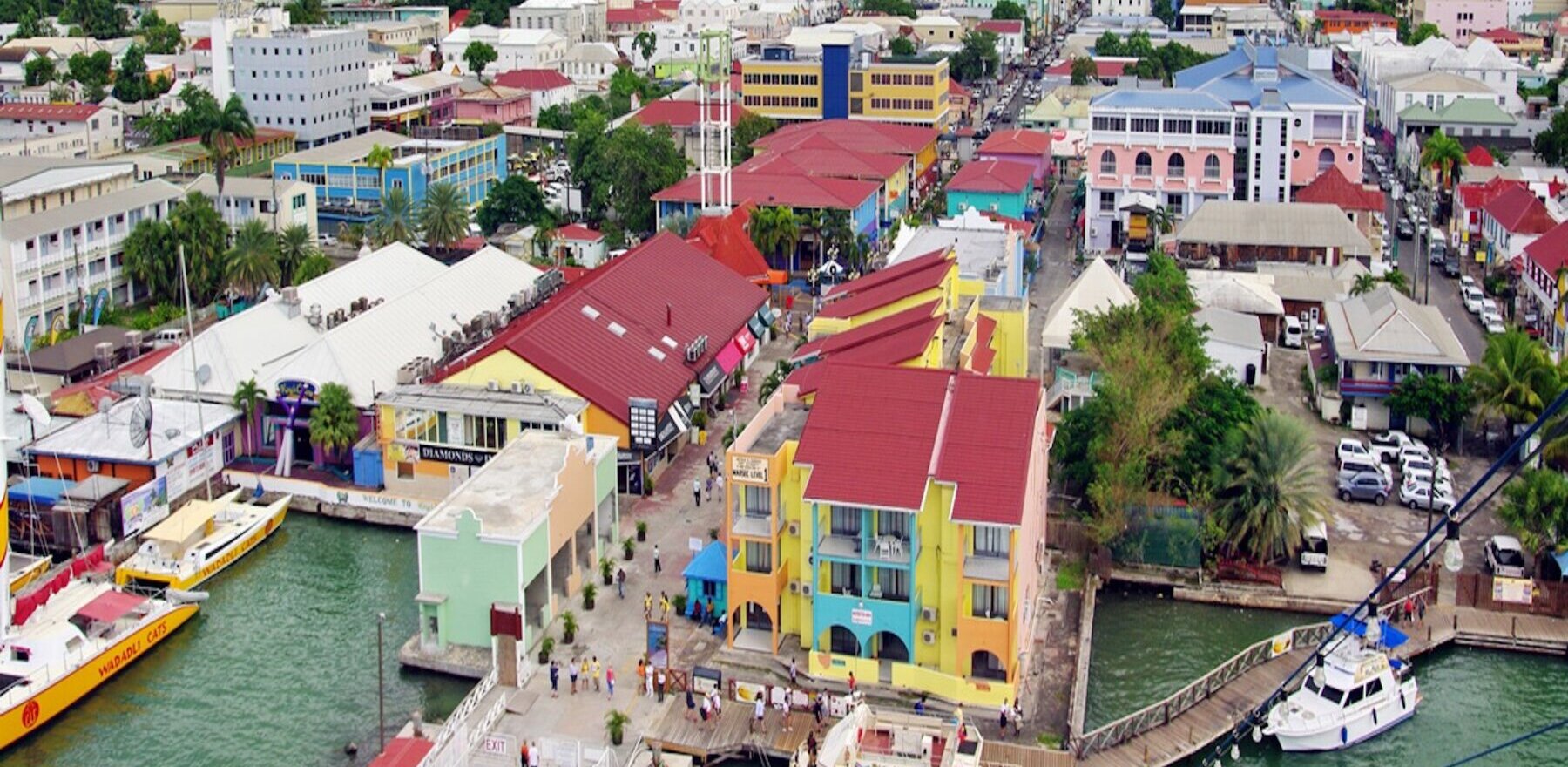
Lehigh University students will travel to Antigua and Barbuda in January for the university’s 16th annual service trip, where they will work alongside local communities and explore the challenges of climate change and sustainability in the Caribbean.
The trip, scheduled for Jan. 14 to 23, 2027, has a volunteer and service-based mission, with no academic credit offered to participants.
In 2022, the program adopted a greater focus on climate change, environmental studies and community involvement. However, students from all fields of study and academic levels are welcome to participate.
Denise Beautreau, Director of Student Access and Success, has attended the trip since 2022. She said the program’s openness and diversity make it unique.
“I believe this opportunity is one of one in how a variety of students come together with one purpose under one umbrella, because there is no overarching, very hyper-focused singular topic area,” Beautreau said.
Bill Hunter, Director of the Lehigh University/United Nations (LU/UN) Program, has seen both first-year students as well as doctoral students in his almost 20 years of leading the program. Hunter himself is largely responsible for getting it off the ground.
Lehigh was hosting Antiguan students through a summer program called Global Village when the ambassador of Antigua and Barbuda to the United States visited campus to check on the students. Hunter and the ambassador quickly developed a relationship. “Within 15 minutes, we were fast friends. Within 20 minutes, we're planning a trip down to Antigua. And within the hour, we'd already had things locked in and ready to go,” Hunter said.
What began as an unexpected meeting has developed into a program that has brought nearly 200 students to Antigua and Barbuda over the years.
While Hunter said they’re some of the most beautiful places on Earth, the main goal is service, especially for parts of Antigua that have tremendous need.
“We go there to help the people and to engage with the community. Having been there so many times for me, the beauty still resonates very deeply, but I go for the people. My joy is, after all these years, building deep friendships and connections,” Hunter said.
As a Caribbean island of around 90,000 people, the sustainability and climate justice aspects of the trip are a natural fit. Beautreau said Antigua is one of the countries with leading policies regarding sustainability, particularly their sustainable homes.
Over the years, Lehigh students have attended the Small Island Developing States (SIDS) conference on climate change and also met Anitguan prime ministers. This year they’ll meet with the UN’s Coordinator of Climate Justice for the Caribbean.
But daily, Lehigh students' work is more grounded.
“This is theory to practice,” Hunter said. “It really takes students from the amazing work they're doing in the classrooms, to a location, to a country that is at the forefront of climate change.”
Students will visit a million-gallon desalination plant, boat through mangroves and conduct endangered bird species counts. They will also visit test houses designed to withstand hurricanes. Antigua’s droughts have made removing salt from seawater an important part of providing drinking water.
In addition to the climate change aspects of the program, there is a substantial amount of service as well.
Lehigh students spend a couple of days in the blazing hot sun painting schools, which sometimes haven’t been painted in 20 years, according to Hunter.
Students also spend time at the Adele School for Special Needs, where they work as teachers’ aides. They help students with reading and writing projects while also sharing a much-needed recess.
Despite the potentially long and hot days, Beautreau said many students are grateful for the experience.
“Some students have looked at their thesis and said, ‘This is the best case study ever because of the information and experience they had,’” Beautreau said.
Hunter thinks the occasionally uncomfortable experience is worth the reward.
“You have a very short amount of time; you're going to work hard and it's going to be really hot and sweaty and everything else,” Hunter said. “And we end the day swimming in the Caribbean Sea after the work is done. It's a truly deep view into island life. And those who are really challenged to protect it and sustain it.”