Written by Colin McEvoy | February 25, 2026 | SHARE


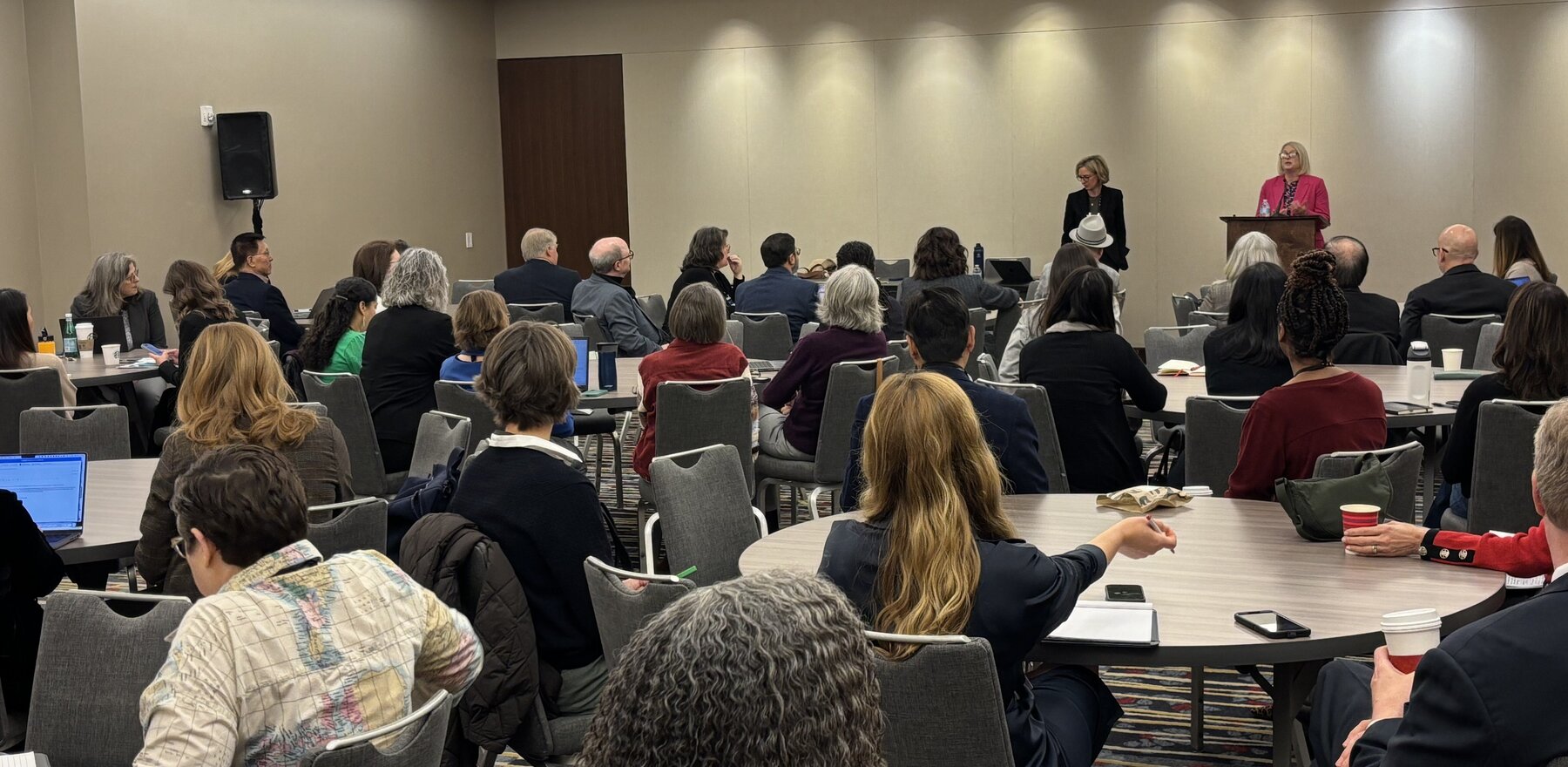
Officials from Lehigh University’s Office of International Affairs presented on global strategy, partnerships, and innovation at the 2026 AIEA Annual Conference in Washington, D.C.
Several representatives from Lehigh University’s Office of International Affairs (OIA) visited Washington, D.C. this month to attend and give presentations at the flagship conference by the nation’s premier organization for international education leadership.
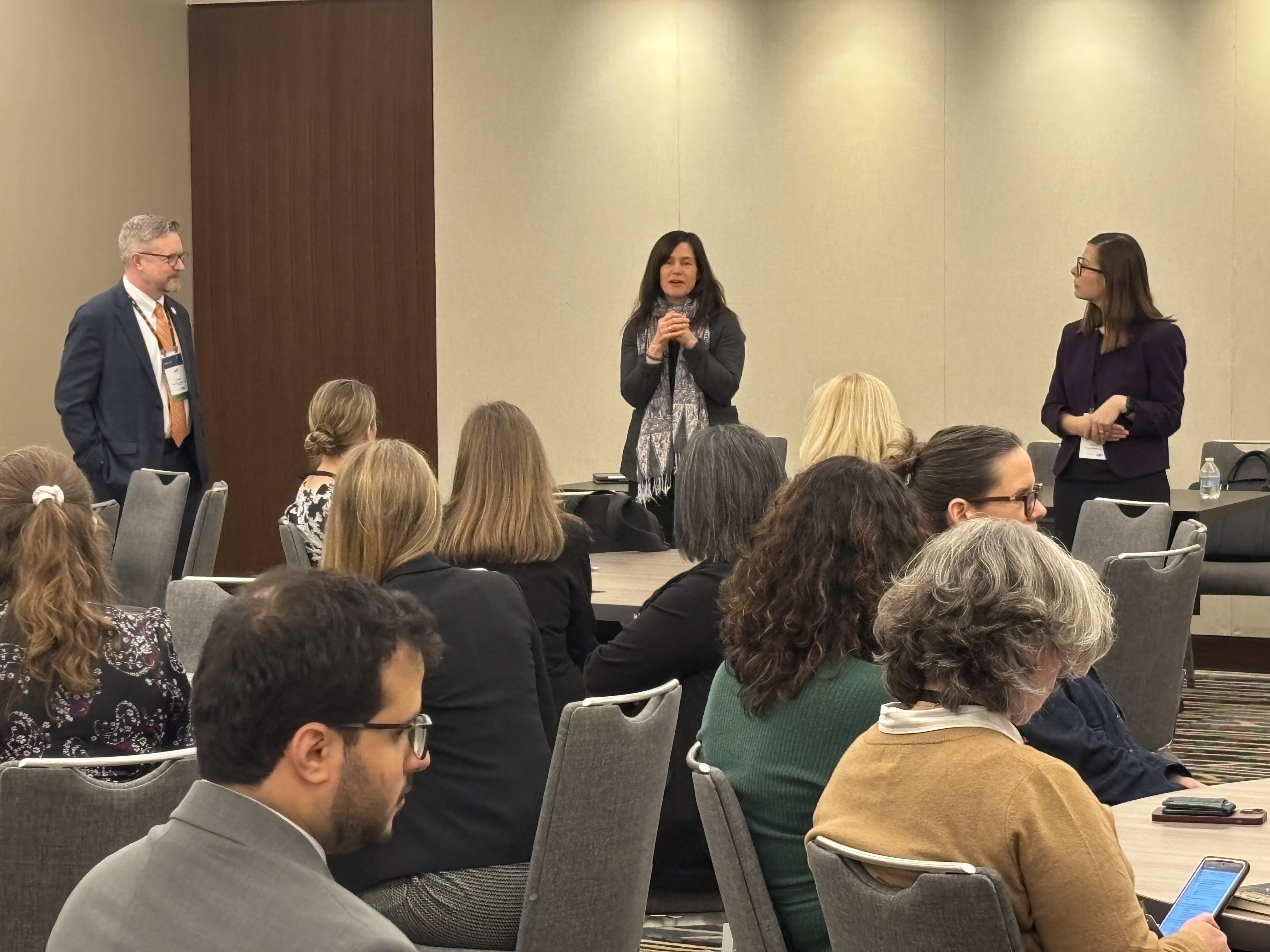
The Association of International Education Administrators (AIEA) hosted its 2026 Annual Conference in the nation’s capital on Feb. 16–19, highlighting such topics as navigating political uncertainty, tackling structural limitations, and properly utilizing artificial intelligence and other new technologies.
The theme of the conference was “Leading the Way: Navigating Volatility and New Realities in International Education.” More than 100 sessions and roundtables featured leaders and peers from across the international education spectrum, sharing transformative ideas and strategies to navigate the most pressing challenges in international education today.
Several OIA representatives presented during the conference, including Cheryl Matherly, Vice President and Vice Provost for International Affairs; Angelina Rodríguez, Assistant Vice Provost for Global Learning; Stacy Burger, Director of Global Partnerships and Strategic Initiatives; and Colin McEvoy, Communications Manager.
“As international education continues to evolve in response to global developments, institutions must remain clear about their global priorities and intentional in their approach to engagement,” Matherly said. “AIEA provides an essential space for leaders to share strategies, learn from one another, and reaffirm the value of international collaboration in advancing research, student success, and institutional resilience.”
The conference highlighted how colleges and universities can reimagine institutional global strategy amid intensifying political, policy, and populist pressures. Participants explored the necessity of a defined global affairs strategy and how institutions can learn from international peers confronting similar headwinds.
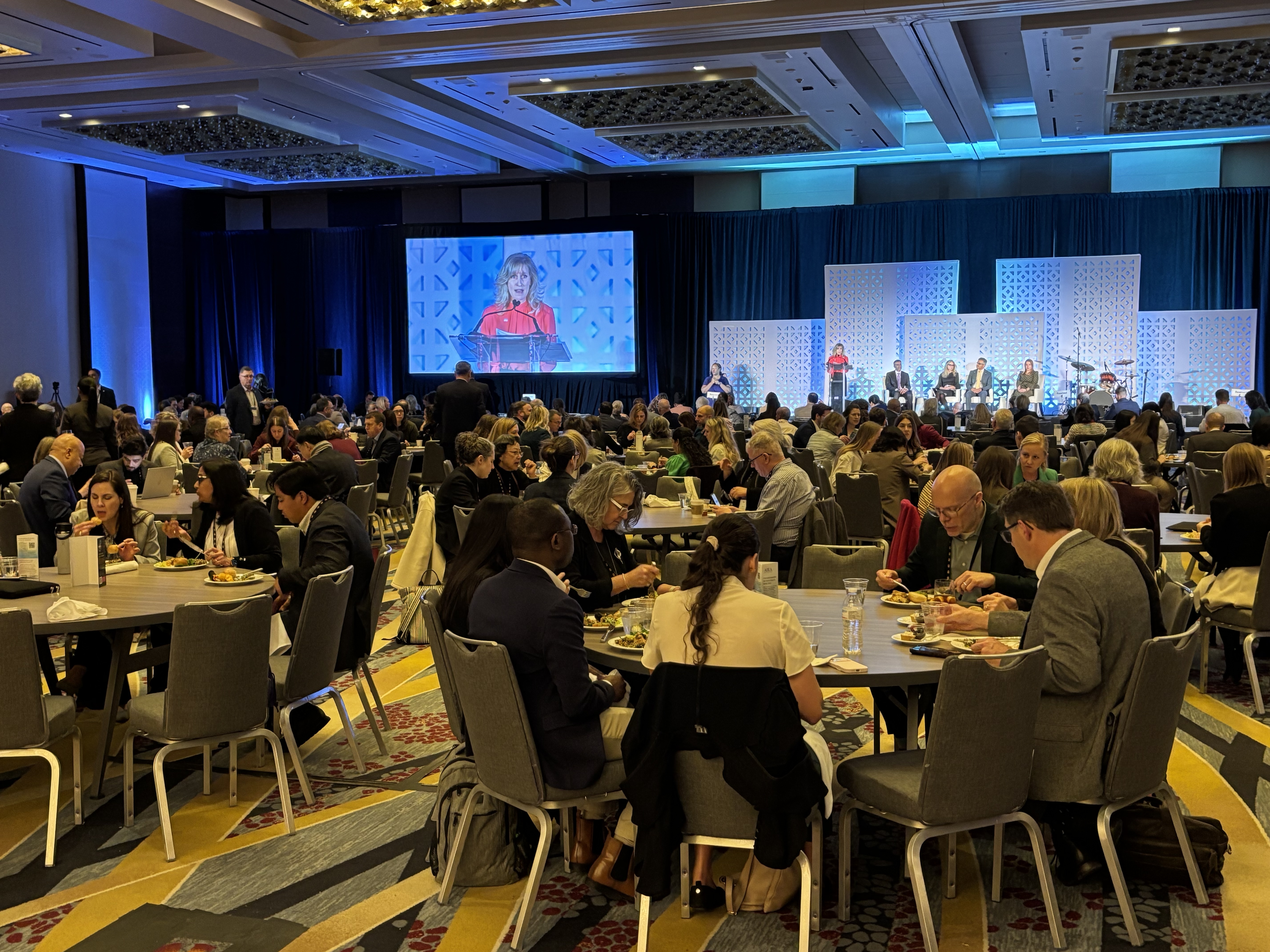
Sessions also highlighted the importance of institutional agility and entrepreneurial leadership, encouraging international offices to treat volatility as a catalyst for innovation in partnerships, programming, and funding models rather than as a constraint.
The conference explored emerging models for global engagement, including hub-and-spoke partnerships, regional satellites, and virtual components. Additionally, it examined how AI and other technologies are reshaping global learning, mobility, student services, and collaboration.
Matherly co-presented in a session called “Growth in a Downturn: Resilient Recruitment Markets in a Shifting Global Landscape.” It explored which international markets continue to see growth in student demand and enrollments to U.S. institutions despite global and geopolitical challenges.
She also participated in a presentation about the importance of global internships in building strong employment pipelines. It explored the benefits of programs like the Iacocca International Internship Program (IIIP), and what skills and perspectives students are able to hone during such internship experiences.
Burger co-presented during several sessions, including how to develop an international partnership strategy, peer strategies for international agreement success, best practices for managing ongoing global partnerships, and understanding when not to engage in new arrangements.
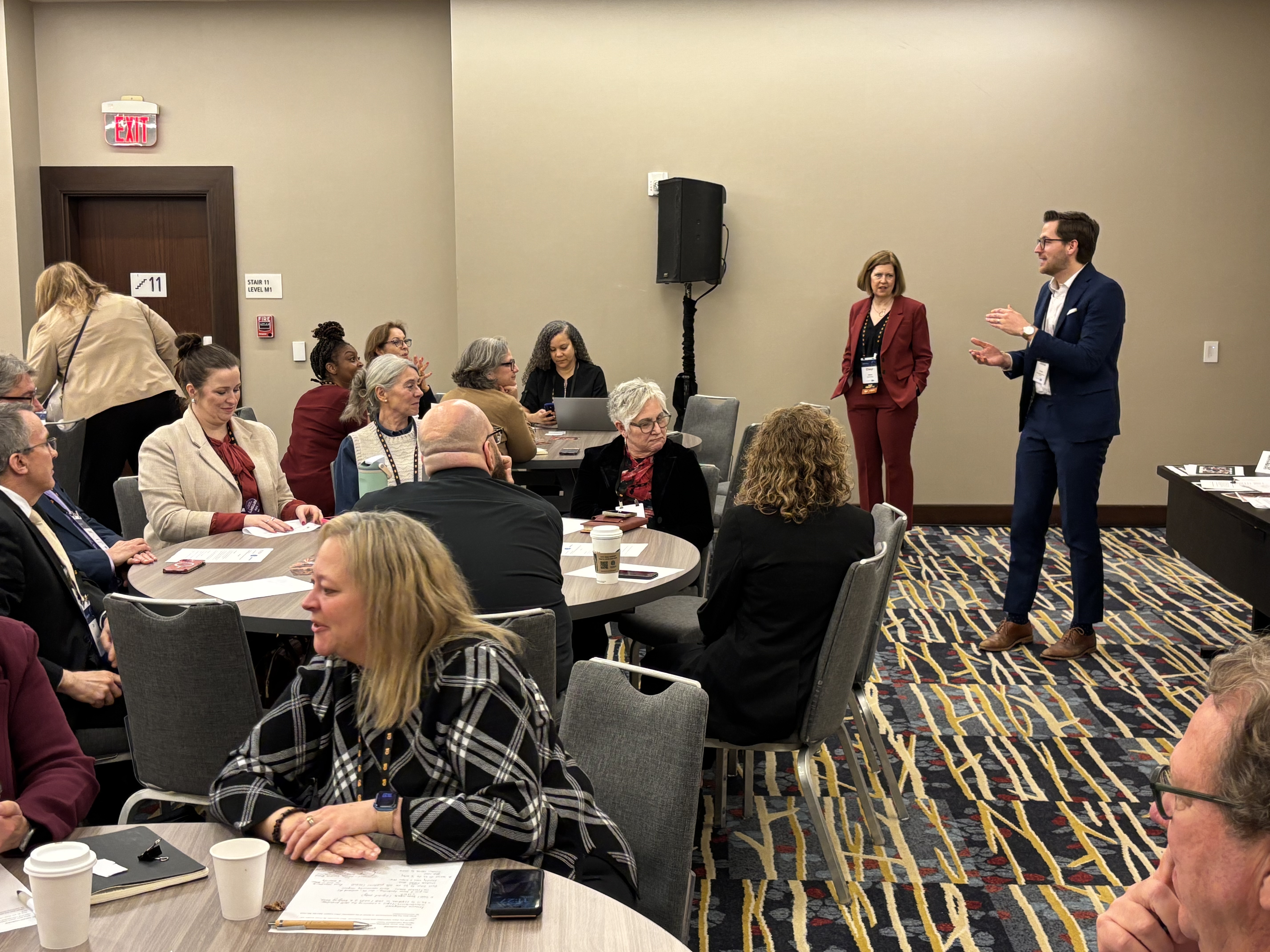
Lehigh’s Global Partnerships and Strategic Initiatives (GPSI) serves as the central point of contact and coordination for international activities within Lehigh's colleges and units, as well as for external institutions seeking to engage with the university. Lehigh had more than three dozen formal partnerships with institutions across four continents during the last academic year.
Rodríguez presented at a session called “Slowing Down to Speed Up: Navigating Global Leadership with Intention.” It challenged the “everything-everywhere-all-at-once” mindset dominating leadership discourse, exploring how slowing down allows discernment, strategic thinking, and intentional action in response to new challenges with clarity rather than reactivity.
Additionally, Matherly and McEvoy delivered a presentation about strategic communications for international education leadership, along with University of North Carolina at Chapel Hill officials. They highlighted the importance of aligning messaging with mission, using data persuasively, interpreting policy guidance, and responding to urgent developments.
Leah Mason, Interim Executive Director of the Lee Iacocca Institute for Global Leadership, also attended the AIEA Annual Conference. She attended the IIE–DAAD Transatlantic Workshop, as well as sessions about how to advance transatlantic academic and research partnerships.
Founded in 1982, AIEA is the only membership organization dedicated exclusively to senior leaders in international higher education. Its members include institutional leaders and executives from organizations that advance global education, united by a shared commitment to shaping the future of higher education in a global context.